
In this blog, we will talk about browsers in their past, present, and finish with personal predictions for the future. Browsers that will be discussed include Google Chrome, Microsoft Edge, Firefox, Opera, Safari, and others. These browsers are very influential and important to the entirety of Web Development. Firstly, we’ll go to Chrome and work our way from there.
Google Chrome
Chrome is the most used browser in the entire world. In fact, it’s used more than all other browsers COMBINED. But just how much is Chrome used? According to surveys from October 2024, approximately 64.78% of people use Chrome regularly. That’s almost 2 in 3 people who frequently use the browser! Now, what exactly made Google Chrome what we know today? With some simple changes to the UI (User Interface), the UX (User Experience) has also changed with it, whether that’d be loading times, small bug fixes and tweaks, and extensions for the browser. Here are some images on what Chrome looked like in the past and what it looks like now, alongside the logo changes:
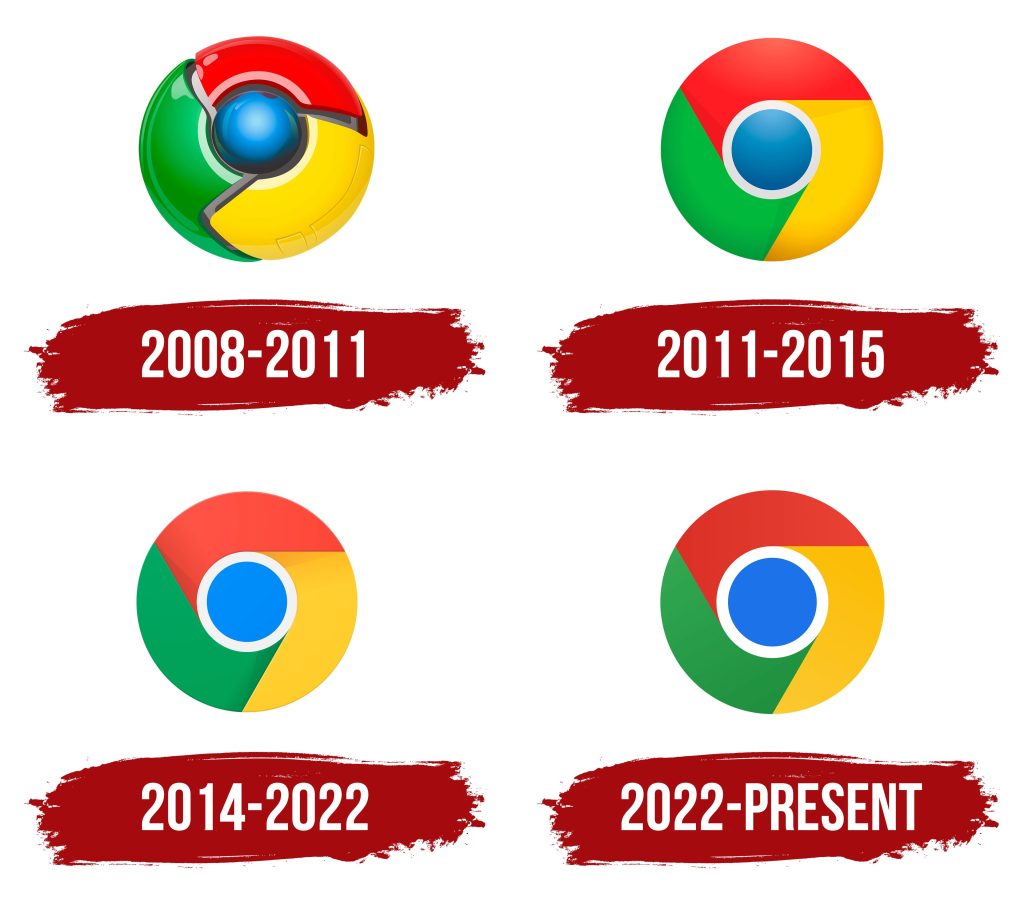
Logos of Chrome for their designated years. Personally, I like the 2008 logo the best, followed by 2011, the present day, and then the 2014 version.
My Predictions for the Future of Chrome
My predictions for Google Chrome are that the individual tabs will have more customization without the use of extensions from the web store, whether that may include different shapes, colors for the different tabs (NOT tab groups), the blue in the logo will change in some way, and simply opening the browser will tank your memory drastically. Now, we will talk about Microsoft Edge.
Microsoft Edge
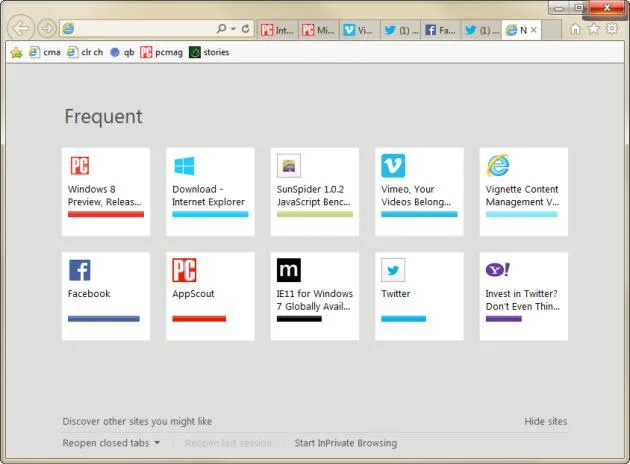
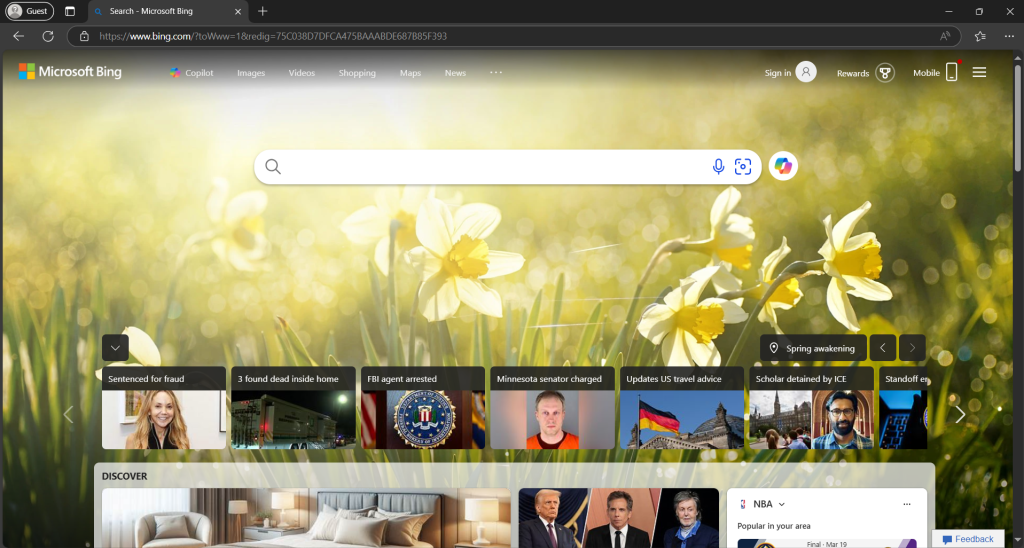
Microsoft Edge (formerly Internet Explorer) is the default browser for Windows OS systems and uses the search engine known as Bing. For a start, we can compare Edge to Chrome with the following: both are browsers, both are highly useful, and both can have extensions. A few things that I like about Edge are the fact that it doesn’t use a lot of your system memory, which means better loading speeds. Their AI, Copilot, is a bit better than Chrome’s AI, and because the browser is owned by Microsoft, whenever the user looks up anything get 5 Microsoft points, up to 150 per day. In the browser’s past, Internet Explorer, let’s just say that it wasn’t the best. This is what Internet Explorer used to look like versus what Edge looks like now:
Microsoft Points
Users who have the “Bing” app on their phone can get an additional 100 points per day, as well as a signup bonus of 500 points. There are dozens of rewards users can buy, whether if it’s an eGift card for a restaurant like Burger King, an Xbox gift card ranging from $1.25 to $100 USD, or even in-game currencies, such as Candy Crush Gold Bars. Users can also donate their points to non-profits and charities, such as Boys & Girls Club, Girls Who Code, World Wildlife Fund, and UNICEF. Let’s get back into browsers and go to my predictions for the future of Microsoft Edge next.
My Predictions for Edge
My predictions for Microsoft Edge are more on the positive side; it’s going to be used a lot more as a primary browser compared to Chrome, as it’s more optimized and doesn’t eat memory and CPU performance.
Safari
Safari is the main browser of all products manufactured by Apple. This includes the iPhone, iPod, iPad, iMac, and all other products with screens (this is all I could remember). Safari can use any search engine, ranging from Google, Bing, DuckDuckGo, and Yahoo. Now, if you remember the statistics from the Google Chrome section, Safari actually takes more than half of that 35.22%, where about 19% of people reported frequently using Safari on their devices. Why is it more popular than Edge, Firefox, and Opera combined? There is one simple reason behind this: it comes with every Apple product by default, no download necessary. Because it runs on mobile devices, it uses less memory than Microsoft Edge and Chrome, which makes it quite fast, especially on high-end devices like desktops.